
Clinical Explanation
NeuroAudia is an evidence-informed, neurosensory intervention that combines auditory frequency modulation, rhythmic entrainment, and vibroacoustic feedback to facilitate improved sensory regulation, cortical organization, and functional participation. The system is grounded in principles of sensory integration, neuroplasticity, and entrainment theory, targeting multiple sensory pathways to optimize arousal, attention, and self-regulation.

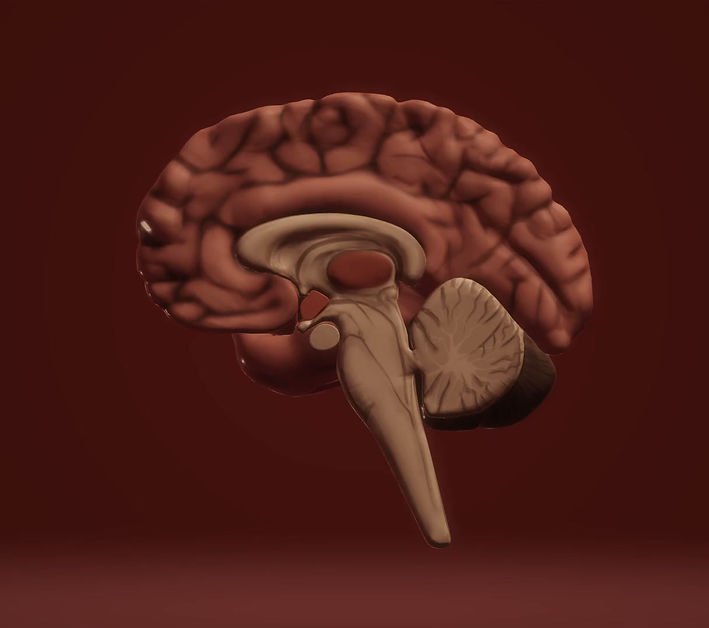
Neurological Entrainment and
Cortical Synchronization
At its foundation, NeuroAudia utilizes rhythmic sound and frequency-based input to promote neural entrainment—the process by which the brain’s electrical activity synchronizes with external auditory rhythms. This synchronization influences the reticular activating system (RAS), thalamocortical pathways, and prefrontal attention networks, allowing for improved regulation of arousal states and sustained focus.
-
Low-frequency oscillations (Alpha: 8–12 Hz, Theta: 4–7 Hz) support parasympathetic activation and calm alertness.
-
Mid-frequency oscillations (Low Beta: 13–18 Hz) facilitate cortical engagement and focused attention.
-
Layered binaural beats and amplitude modulation guide the listener between these states to achieve optimal readiness for learning or participation.
This rhythmic organization encourages functional connectivity between hemispheres, enhancing executive functioning, task initiation, and self-regulation.
123-456-7890


Auditory-Vestibular Coactivation
NeuroAudia’s design purposefully integrates auditory and vestibular inputs, two systems that share strong neural interconnectivity within the brainstem and cerebellum. By combining rhythmic sound patterns with subtle vestibular cues (often through head movement, postural shifts, or virtual environments), the intervention activates cerebellar-thalamic-cortical loops associated with balance, attention, and sensory processing.
This coactivation promotes:
-
Improved spatial orientation and postural control
-
Enhanced sensory modulation across modalities
-
Increased arousal regulation and motor planning efficiency
The multimodal engagement allows for better integration of incoming sensory information, leading to more adaptive responses and improved participation in functional tasks.


Frequency-Specific Modulation
and Sensory Responsiveness
NeuroAudia employs frequency modulation and vibroacoustic layering to target hypo- and hyperresponsive sensory systems.
-
For hyposensitivity, higher-frequency modulations (300–600 Hz range) and low-Beta entrainment patterns gently stimulate arousal, increasing cortical readiness and body awareness.
-
For hypersensitivity, slower rhythmic patterns and Alpha-wave entrainment promote parasympathetic regulation, decreasing reactivity and anxiety.
The integration of tactile vibration with auditory input enhances proprioceptive and interoceptive awareness, facilitating a “bottom-up” regulatory effect that prepares the nervous system for engagement and learning.
Neuroplasticity and Functional Carryover
Through repeated exposure and graded intensity, NeuroAudia leverages experience-dependent neuroplasticity—the brain’s ability to reorganize based on sensory input and practice. Consistent use reinforces new neural pathways associated with regulation, attention, and motor coordination.
The result is observable carryover in areas such as:
-
Improved sustained attention and on-task behavior
-
Reduced behavioral dysregulation and sensory avoidance
-
Enhanced fine and gross motor coordination
-
Increased independence in self-care and daily routines
When paired with occupational, speech, or behavioral interventions, NeuroAudia functions as a neuromodulatory primer, preparing the brain for higher-level cognitive and motor learning.


Implementation and Clinical Application
NeuroAudia can be delivered via headphones, ambient room sound, or integrated VR/AR environments. Sessions are typically brief (10–20 minutes) and may precede or accompany other therapeutic interventions. Parameters—including frequency, tempo, and binaural modulation—can be chosen based on sensory profile, emotional regulation needs, or cognitive demand.
This flexible format allows professionals to tailor interventions for clients with:
-
Autism Spectrum Disorder (ASD)
-
Sensory Processing Disorder (SPD)
-
ADHD and executive function deficits
-
Anxiety, trauma, or emotional dysregulation
-
Developmental or neurological conditions impacting regulation and participation